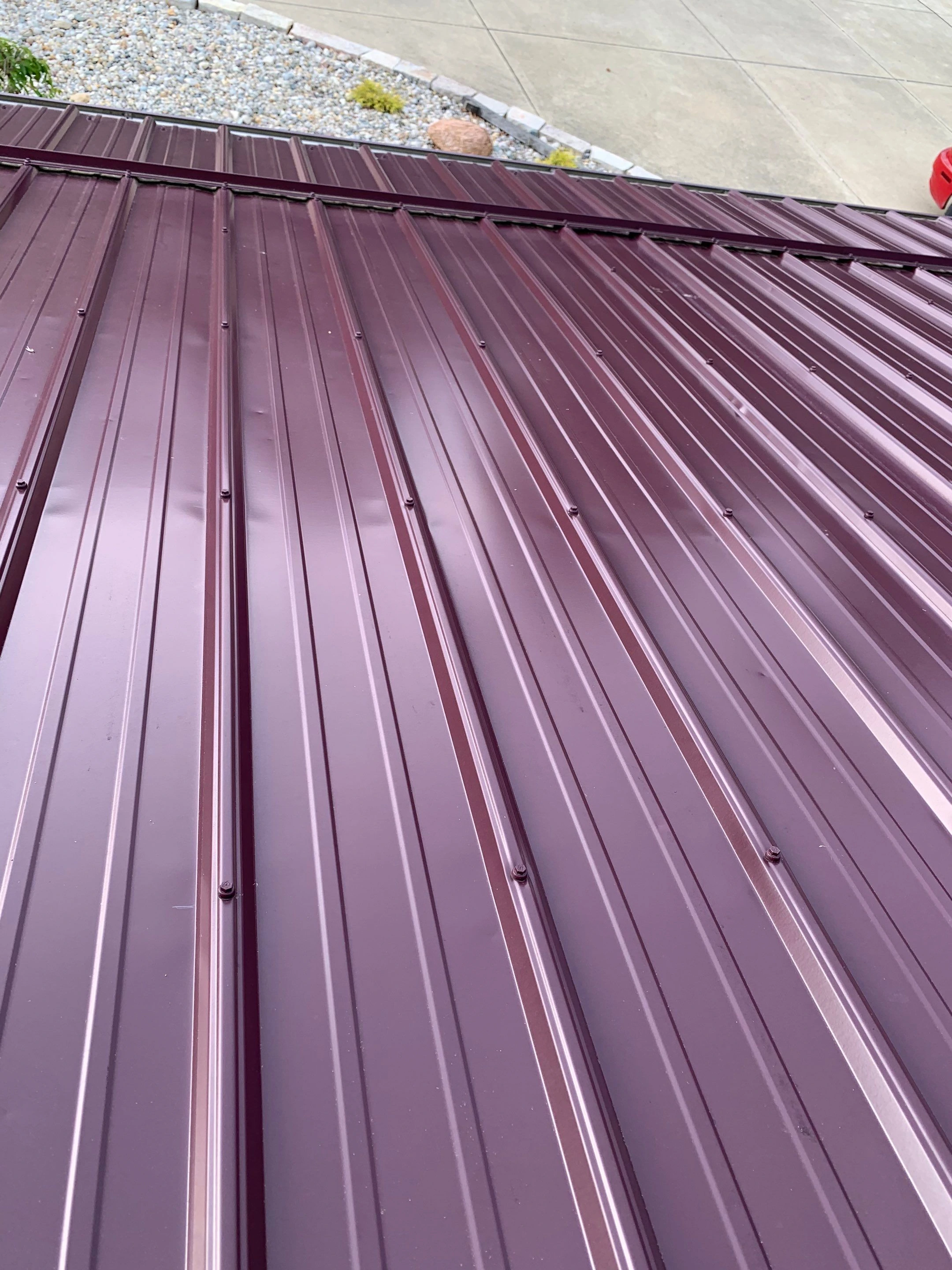
Signs a roof is reaching the end of its life
Knowing the typical lifespan of your system helps, but recognizing when a roof is actually nearing the end matters just as much, because age and condition together tell the real story. A few signs indicate a Plum Creek roof is approaching replacement.
Age relative to expected life
The first signal is simply age. A roof approaching or past its system's typical service life is a candidate for closer scrutiny, even before obvious problems appear, because failures become more likely as it nears the end of its range. A roof in the latter part of its expected life deserves regular inspection so its decline is caught early. Age alone does not condemn a roof, but it tells you when to watch closely.
Increasing problems and repairs
A roof nearing the end often needs repairs more frequently, as the aging system develops issues across its surface rather than in isolated spots. When a Hamilton County roof requires attention several times a year and problems keep recurring, that rising frequency signals it is reaching the end of its useful life. The pattern of escalating repairs is one of the clearer indicators that a roof is wearing out.
Widespread wear and deterioration
Visible signs of broad deterioration, a membrane that is cracking, splitting, or worn across the roof, seams failing throughout, or surface breakdown everywhere, indicate the system has aged out rather than developed a local problem. Widespread wear on a Plum Creek roof, as opposed to isolated damage, points to end of life. When the whole roof shows its age, it is usually near the end of its service life.
Performance decline
A roof reaching the end may show performance signs, rising energy bills from moisture in aging insulation, soft spots underfoot, or recurring leaks, that reflect its declining condition. These signs, combined with age, build a picture of a roof at the end of its useful life. For a building, performance decline alongside the roof's age is a strong indicator that replacement is approaching and should be planned for.
Age and condition together
The clearest read comes from combining age with condition: a roof at or past its expected lifespan showing increasing problems, widespread wear, and performance decline is at the end of its life. A younger roof with isolated problems may have years left, while an old roof showing broad signs does not. For a Hamilton County owner, reading age and condition together is what reveals when a roof is truly nearing replacement, allowing it to be planned rather than reacted to.
Find out where your roof stands
The broader point about roof lifespan is that the system's typical range is a starting expectation, not a fixed destiny, because what an owner does with the roof shapes how long it actually serves. A Plum Creek owner who treats the expected lifespan as a target to reach or beat, through quality installation and consistent care, routinely gets more from a roof than one who assumes the number is fixed and leaves the roof to fend for itself. The system provides the potential, and the owner's choices realize it.
Finally, lifespan is most valuable as a planning input, because a roof whose expected life and current age are known can be managed rather than merely owned. A owner who tracks the roof's trajectory can budget for replacement, time it well, and extend it where sensible, turning the single largest building expense into an anticipated, controlled one. That foresight, grounded in understanding how long the roof should last, is what separates a roof that is managed as an asset from one that becomes a costly surprise.
It also helps to weigh lifespan alongside cost rather than in isolation, since the truest measure of a roofing investment is cost per year of service. A Hamilton County owner comparing options is better served by dividing each system's cost by the years it lasts in their conditions than by looking at first cost or lifespan alone. A roof that costs more but lasts far longer can be the better value, and that comparison only becomes clear when lifespan and cost are weighed together for the specific building.
The broader point about roof lifespan is that the system's typical range is a starting expectation, not a fixed destiny, because what an owner does with the roof shapes how long it actually serves. A Plum Creek owner who treats the expected lifespan as a target to reach or beat, through quality installation and consistent care, routinely gets more from a roof than one who assumes the number is fixed and leaves the roof to fend for itself. The system provides the potential, and the owner's choices realize it.
Finally, lifespan is most valuable as a planning input, because a roof whose expected life and current age are known can be managed rather than merely owned. A owner who tracks the roof's trajectory can budget for replacement, time it well, and extend it where sensible, turning the single largest building expense into an anticipated, controlled one. That foresight, grounded in understanding how long the roof should last, is what separates a roof that is managed as an asset from one that becomes a costly surprise.
It also helps to weigh lifespan alongside cost rather than in isolation, since the truest measure of a roofing investment is cost per year of service. A Hamilton County owner comparing options is better served by dividing each system's cost by the years it lasts in their conditions than by looking at first cost or lifespan alone. A roof that costs more but lasts far longer can be the better value, and that comparison only becomes clear when lifespan and cost are weighed together for the specific building.
The broader point about roof lifespan is that the system's typical range is a starting expectation, not a fixed destiny, because what an owner does with the roof shapes how long it actually serves. A Plum Creek owner who treats the expected lifespan as a target to reach or beat, through quality installation and consistent care, routinely gets more from a roof than one who assumes the number is fixed and leaves the roof to fend for itself. The system provides the potential, and the owner's choices realize it.
The broader point about roof lifespan is that the system's typical range is a starting expectation, not a fixed destiny, because what an owner does with the roof shapes how long it actually serves. A Plum Creek owner who treats the expected lifespan as a target to reach or beat, through quality installation and consistent care, routinely gets more from a roof than one who assumes the number is fixed and leaves the roof to fend for itself. The system provides the potential, and the owner's choices realize it.
Plum Creek Metal Roofing assesses Plum Creek roofs against their expected lifespan and condition, telling you whether yours has life left or is nearing the end. Call {phone} to find out where your roof stands in its life. Knowing your roof's stage is what separates smart planning from an expensive surprise.